Confetti-like dots
Usually no bigger than 3 mm in size, tiny spots can suddenly cluster around the edges of existing patches. Often, they merge into larger ones.
Fact: vitiligo is
more than a skin conditionFeel more confident and informed by understanding your vitiligo as a chronic autoimmune disorder.
It’s time to see vitiligo for what it is
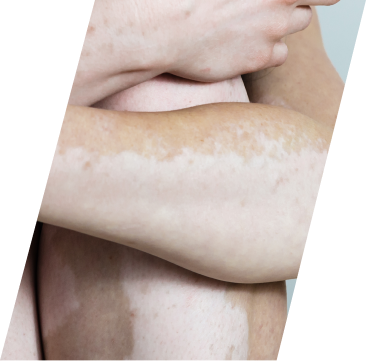
Up to 90% of vitiligo cases are “nonsegmental,” which means symmetrical patches appear on both sides of the body. The remaining 10% of cases are “segmental," which means patches do not mirror each other. Neither type is simply a surface-level condition. Vitiligo is an autoimmune disorder—its root cause exists deep beneath the skin, in the immune system.
Scientists believe it’s linked to a combination of genetic and environmental triggers such as stress or skin trauma.
No matter what, never blame yourself. Instead, talk to your dermatologist.

Vitiligo is not:
a cosmetic condition—it can impact your physical and emotional
well-being.
Vitiligo is not:
the result of poor hygiene.
Vitiligo cannot:
spread from person to person. If someone asks, “Is vitiligo contagious?” you can assure them no without a doubt.
WHAT’S HAPPENING IN YOUR BODY

Melanocytes are skin cells that produce melanin, a natural pigment that determines skin, hair, and eye color.
WHAT’S HAPPENING IN YOUR BODY
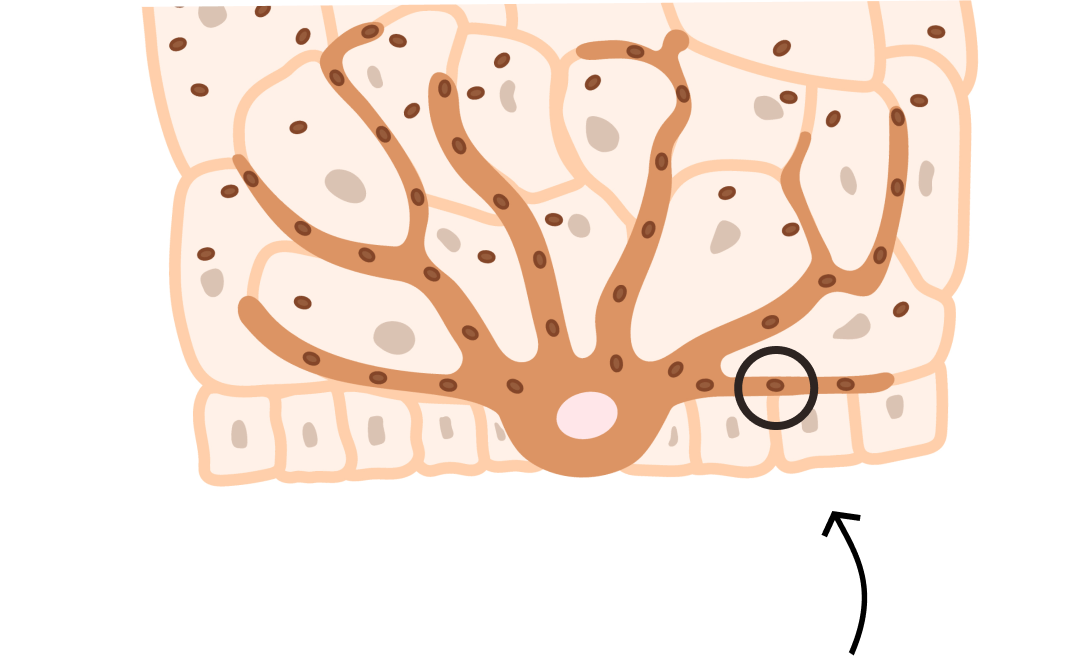
Melanocytes send melanin to be stored in the epidermis, your body’s outermost layer of skin.
WHAT’S HAPPENING IN YOUR BODY
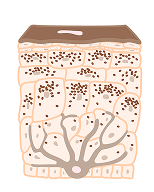
Wherever your immune system destroys melanocytes is where vitiligo’s signature white patches will appear.
The science
When you have vitiligo, your immune system is overactive—mistakenly attacking and destroying the cells in your body that produce pigment.
These cells are called melanocytes, and pigment can be lost anywhere they are destroyed. Over time, the destruction of melanocytes results in white patches of pigment loss appearing on your skin.
Pigment loss can be unpredictable
Vitiligo comes with a lot of uncertainties. It’s tough to predict when, where, or how much pigment your skin could lose. We do know vitiligo has periods of both stability and active progression.
If you’ve noticed new or spreading patches within the past 6 months, your vitiligo may be actively progressing. If your patches haven’t changed over the past year, your vitiligo may be currently stable.
However, even if you've gone months or years without noticing changes in your vitiligo, your patches could spread or appear in new places as time goes on.
Any new or spreading patches can indicate that your vitiligo is active. Look out for:

Usually no bigger than 3 mm in size, tiny spots can suddenly cluster around the edges of existing patches. Often, they merge into larger ones.

Trichrome patches have white centers of totally depigmented skin, your normal skin tone, and lighter areas in between.

The Koebner phenomenon refers to patches that form where there was a burn, cut, scratch, or persistent friction.

Did You Know...
Skin tones
Depending on how much melanin a person has, patches can be more noticeable. Vitiligo is typically easier to spot on dark skin and can be less visible on fairer skin. The takeaway: vitiligo can show up on any complexion and can impact anyone who has it.




Your health is worth a conversation
Now that you better understand vitiligo, discuss it with a dermatologist.